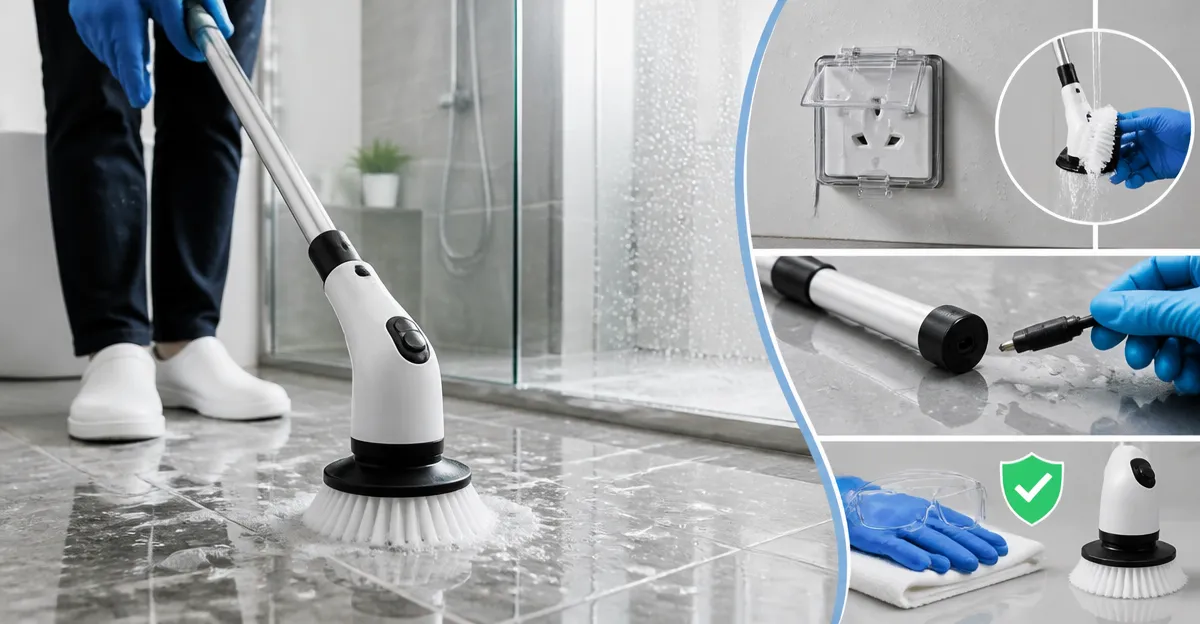
How to Use Spin Scrubbers Safely in Wet Areas: Essential Electrical Safety Tips to Prevent Electric Shock
In this guide the reader will learn how to operate electric spin scrubbers in wet environments without risking electric shock. The information is valuable because improper use can lead to serious injury, property damage, or costly repairs. By following the procedures one can enjoy faster cleaning while maintaining the highest safety standards.
The guide combines practical steps, product recommendations, and expert pro tips. It is written for homeowners, renters, and cleaning professionals who already have basic familiarity with household tools. The tone remains professional and authoritative throughout.
What You Will Need
- TUYU Electric Spin Scrubber – cordless, 2 speeds, IPX7 waterproof rating, 90‑minute runtime, $39.99, 4.4/5 stars.
- Lichffy Cordless Spin Scrubber – 9 interchangeable heads, up to 120‑minute runtime, IPX7 rating, $25.18, 4.3/5 stars.
- CTMAST Electric Spin Scrubber – 53‑inch adjustable pole, dual speed, IPX7 rating, $23.98, 4.1/5 stars.
- Leebein Electric Spin Scrubber – 8 brush heads, USB‑C fast charge, 90‑minute runtime, $35.99, 4.3/5 stars.
- PUFTEM Cordless Spin Scrubber – 6 heads, 180‑minute runtime, IPX7 rating, $23.98, 4.2/5 stars.
Step 1: Inspect the Device Before Use
Before any cleaning session one should visually examine the spin scrubber for damaged cords, cracked housing, or missing screws. A thorough inspection prevents hidden defects from causing short circuits when water contacts the motor. The TUYU Electric Spin Scrubber includes a detachable brush head that can be removed for easy inspection, and its stainless‑steel extension rod can be checked for bends.
Look for signs of wear on the brush bristles; worn bristles may expose the motor shaft. The product description notes that the bristles are soft and will not scratch tiles, but they must remain intact to maintain the waterproof seal. If any part appears compromised, replace the component or contact the manufacturer’s support line.
Why this matters: a compromised seal can allow water to enter the motor housing, creating a path for electricity to reach the user. By catching damage early one eliminates the most common cause of electric shock in wet areas.
Step 2: Verify Power Source and Battery Condition
Spin scrubbers operate on rechargeable lithium‑ion batteries; therefore it is essential to confirm that the battery is fully charged and the charging port is clean. The Lichffy Cordless Spin Scrubber features a Type‑C fast‑charging port and an LED indicator that displays battery level, reducing the risk of unexpected power loss mid‑clean.
Do not attempt to charge the device while it is submerged or while the brush head is wet. The IPX7 rating protects against accidental splashes, but immersion can still damage the charging contacts. Always place the charger on a dry, stable surface and verify that the connector is free of moisture before plugging in.
Why this matters: a low battery can cause the motor to stall, prompting the user to apply excessive force. Excessive force may cause the device to slip, leading to water ingress and potential shock.
Step 3: Ensure Proper Waterproof Rating and Dry Hands
All recommended models carry an IPX7 waterproof rating, which means they can survive immersion up to one meter for thirty minutes. Nevertheless, the user must keep hands dry and avoid direct contact with water while operating the switch. The CTMAST Electric Spin Scrubber explicitly warns that the device disables operation while charging, a safety feature that prevents accidental activation in wet conditions.
Before turning the unit on, wipe the handle with a dry cloth and ensure that the surrounding area is not flooded. Using a non‑slipping mat in the bathtub can provide a stable platform and keep the device from sliding into standing water.
Why this matters: water conducts electricity, and even a short exposure can create a path from the motor to the user’s body. Dry hands break that conductive path.
Step 4: Use the Extension Rod Correctly to Avoid Direct Water Contact
The adjustable extension rod allows the user to clean high walls without bending, but it also creates a lever that can inadvertently push the brush into a pool of water. The TUYU Electric Spin Scrubber extends from 26 inches to 45 inches and locks securely, preventing sudden collapse.
When the rod is fully extended, keep the motor housing above the water line. If the brush head contacts water, the IPX7 rating protects the internal electronics, but the motor may still draw excess current, shortening battery life.
Why this matters: maintaining the motor above the water reduces the chance of water entering the charging port or the internal circuitry, thereby preventing electric shock.
Step 5: Apply Appropriate Cleaning Solutions and Avoid Conductive Liquids
Only use mild detergents or cleaners that are non‑conductive. Acidic or highly alkaline solutions can corrode the motor housing and compromise the waterproof seal. The Leebein Electric Spin Scrubber recommends using standard bathroom cleaners, which are safe for its IPX7 rating.
Before applying any cleaner, test a small area to ensure that the solution does not react with the brush material. After cleaning, rinse the brush head under running water; the device’s waterproof design allows this, but the handle should be wiped dry before storage.
Why this matters: conductive liquids can create a short circuit inside the motor housing, increasing the risk of electric shock and reducing the device’s lifespan.
Step 6: Store and Charge the Device Safely After Use
After each cleaning session place the scrubber in a dry location and allow the brush head to air‑dry. The PUFTEM Cordless Spin Scrubber includes a digital battery display that helps monitor remaining charge, ensuring that the battery is not left in a depleted state for extended periods.
Charge the device on a non‑conductive surface using the supplied charger. Do not charge the unit on a wet countertop or near a sink. The fast‑charging capability (3‑4 hours for a full charge on the TUYU model) means that the device can be ready for the next use without prolonged exposure to electricity.
Why this matters: proper storage and charging prevent moisture from accumulating on the charging contacts, which could otherwise lead to corrosion and electrical hazards.
Tips & Pro Tips
- Always keep the device’s LED battery indicator visible; a sudden drop in voltage is a sign to cease operation.
- Use the soft‑bristle head for delicate surfaces such as glass shower doors; this prevents scratching while maintaining electrical safety.
- When cleaning large areas, alternate between low and high speed to conserve battery life and reduce heat generation in the motor.
- Consider using a waterproof glove for added insulation, especially if the user has sensitive skin or a history of electrical sensitivity.
- Periodically clean the charging port with a dry cotton swab to remove mineral deposits that could cause arcing.
Troubleshooting
- Device does not start. Verify that the battery is charged and that the power button is pressed firmly. If the LED does not illuminate, check the charging cable for damage.
- Brush head vibrates excessively. Ensure that the extension rod is locked and that the brush head is securely attached. Loose connections can cause the motor to overheat.
- Water leakage into motor housing. Stop use immediately, dry the unit with a towel, and contact the manufacturer’s support line. Continued use may lead to electric shock.
Conclusion
By following the six steps outlined in this guide one can safely employ electric spin scrubbers in wet areas while minimizing the risk of electric shock. The combination of proper inspection, battery management, waterproof awareness, correct use of extension rods, appropriate cleaning agents, and safe storage creates a comprehensive safety framework. Readers are encouraged to apply these practices regularly to protect themselves, their families, and their homes.
Products Mentioned in This Guide
Frequently Asked Questions
What IP rating should a spin scrubber have for safe use in wet areas?
Choose a scrubber with at least an IPX7 rating, which guarantees protection against immersion in water up to 1 meter for 30 minutes.
How can I prevent electric shock when using a cordless spin scrubber near water?
Keep the battery compartment sealed, avoid using the charger in wet conditions, and always let the device dry before recharging.
Is it safe to use a spin scrubber on tiled bathroom floors?
Yes, as long as the scrubber is IPX7‑rated and you use only the non‑conductive brush heads recommended by the manufacturer.
What maintenance steps extend the life of a spin scrubber used in wet environments?
Rinse the brush heads after each use, wipe the motor housing dry, and store the unit in a cool, moisture‑free place.
Can I use a spin scrubber with a damaged cord or battery in a wet area?
No—any damage to the battery, charger, or seals compromises waterproofing and raises the risk of electric shock.