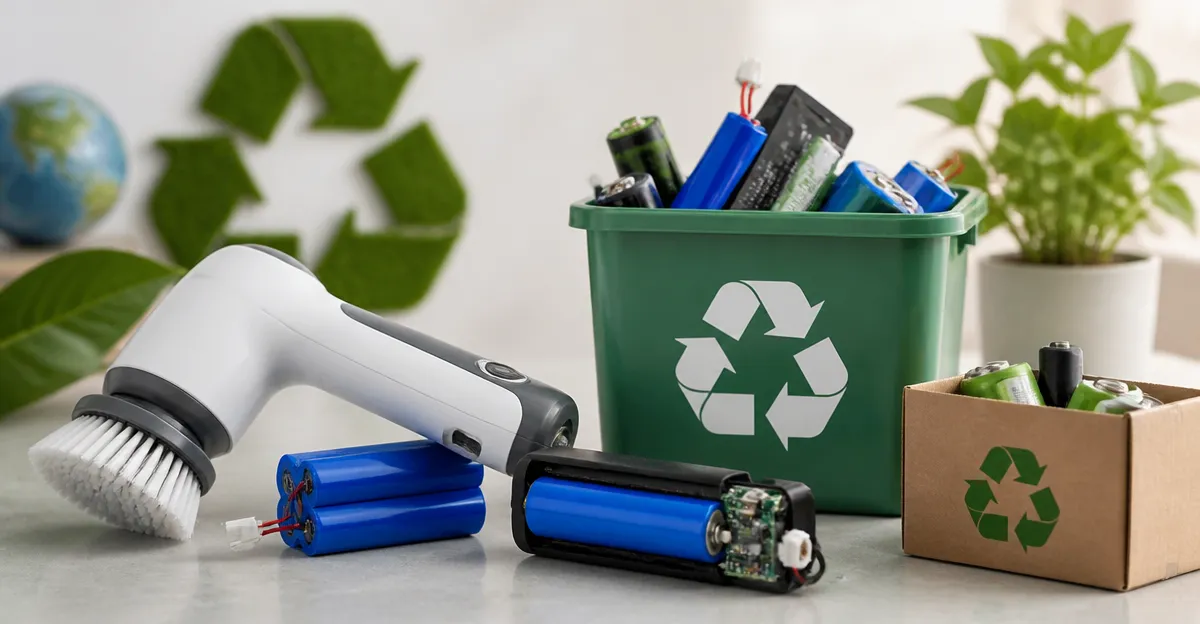
How to Recycle Spin Scrubber Batteries: Safe, Eco‑Friendly Disposal Guide
Introduction
The modern household increasingly relies on cordless spin scrubbers for bathroom and floor cleaning. These devices are powered by rechargeable Ni‑Cd or Li‑ion batteries that, when exhausted, become hazardous waste if discarded improperly. This guide explains the environmental impact of spin scrubber batteries, outlines safe recycling procedures, and recommends reliable replacement batteries that simplify the recycling process. Readers will learn how to assess battery condition, locate certified recycling facilities, and adopt best practices that protect both health and the planet.
Background and Context
Rechargeable batteries contain heavy metals such as cadmium, nickel, and lead, which can leach into soil and water when landfilled. Government agencies worldwide classify Ni‑Cd batteries as hazardous waste, requiring special handling. In addition, many manufacturers embed micro‑chips that monitor charge cycles, making the batteries more complex to process. Understanding these technical aspects helps users make informed decisions about disposal and replacement.
Spin scrubbers, including models from brands like Qimedo and Dreazu, typically use 3.6 V Ni‑Cd cells with capacities ranging from 1,400 mAh to 2,500 mAh. When a battery reaches the end of its useful life—usually after 200‑300 charge cycles—its capacity drops noticeably, and it may overheat during charging. At that point, recycling rather than throwing the battery away is the responsible choice.
Key Concepts for Responsible Battery Recycling
Before recycling, users should consider three core concepts: assessment, preparation, and disposal. Assessment involves testing voltage and runtime to confirm that the battery is truly spent. Preparation includes safely discharging the battery and removing it from the scrubber without damaging the device. Disposal requires locating a certified e‑waste recycler that accepts Ni‑Cd cells.
Many municipalities provide curbside collection for rechargeable batteries, but the acceptance criteria vary. Some retailers, such as Home Depot and Best Buy, run take‑back programs that accept batteries free of charge. When using a retailer program, bring the battery in its original packaging or a clearly labeled container to avoid accidental mixing with other waste streams.
Recommended Replacement Batteries
Replacing a worn battery with a high‑quality, compatible unit can extend the life of a spin scrubber and simplify recycling. The following products have been selected for their proven performance, safety certifications, and positive customer feedback.
- NEAFAZA 3.6V Ni‑Cd Battery – 1,400 mAh, 4.6‑star rating, $14.99.
- HQRP Spin Scrubber Battery – 1,400 mAh, 4.3‑star rating, $14.45, 200‑day warranty.
- LeeCrynoid 3.6V Ni‑Cd Battery – 1,400 mAh, 5‑star rating, $15.89, CE/ROHS certified.
Each of these batteries matches the dimensions required by popular Hurricane Spin Scrubber models (length 5 1/8", diameter 15/16"). They also share the same charging protocol: the device’s ON/OFF switch must be set to OFF, with an initial 20‑hour charge followed by 8‑hour subsequent charges. By using a compatible replacement, users can avoid the need to discard the entire scrubber, thereby reducing overall waste.
Comparison and Selection Guide
| Feature | NEAFAZA 3.6V Ni‑Cd Battery | HQRP Spin Scrubber Battery | LeeCrynoid 3.6V Ni‑Cd Battery |
|---|---|---|---|
| Capacity | 1,400 mAh | 1,400 mAh | 1,400 mAh |
| Price | $14.99 | $14.45 | $15.89 |
| Rating (reviews) | 4.6 / 5 (110) | 4.3 / 5 (960) | 5 / 5 (5) |
| Warranty | Not specified | 200 days | 200 days |
| Certifications | None listed | None listed | CE, ROHS, UL |
| Special notes | First charge 20 hrs, later 8 hrs | Same charging requirement | Microchip protection, 1,200 charge cycles |
For users who prioritize safety certifications and long‑term durability, the LeeCrynoid battery offers microchip‑based protection and CE/ROHS compliance. Budget‑conscious shoppers may prefer the HQRP option, which includes a 200‑day warranty at a slightly lower price. The NEAFAZA battery provides the most reviews, indicating broad acceptance among Hurricane Spin Scrubber owners.
Best Practices & Tips for Recycling and Reuse
- Test Before You Toss: Use a multimeter to verify that the battery voltage has fallen below 2.5 V under load. If the voltage remains high, consider refurbishing rather than recycling.
- Discharge Safely: Run the scrubber on low speed until the battery is fully depleted. This reduces the risk of short‑circuit incidents during transport.
- Label and Store: Place the discharged battery in a fire‑resistant container marked “Ni‑Cd Battery – Recycle.” Store in a cool, dry place until you can deliver it to a recycler.
- Use Certified Recyclers: Search for facilities accredited by the EPA’s “Responsible Recycling” program. Many local hazardous‑waste centers accept Ni‑Cd cells free of charge.
- Document the Process: Keep receipts or recycling logs for tax‑deduction purposes if your jurisdiction offers incentives for e‑waste recycling.
- Upgrade When Appropriate: Some users transition from Ni‑Cd to lithium‑ion batteries for higher energy density. If you choose this route, ensure the new battery matches the device’s voltage and has built‑in protection circuitry.
By following these steps, users minimize environmental impact while maintaining the performance of their cleaning tools. Remember that the most sustainable option is to extend the life of the original scrubber through proper maintenance, such as cleaning contacts and avoiding over‑charging.
Frequently Asked Questions
- Q1: Can I recycle a Ni‑Cd battery at a regular recycling bin?
- A: No. Ni‑Cd batteries are classified as hazardous waste and must be taken to a certified e‑waste recycler or a retailer take‑back program.
- Q2: How many charge cycles can a typical spin scrubber battery endure?
- A: Most Ni‑Cd cells last between 200 and 1,200 cycles, depending on usage patterns and temperature. The LeeCrynoid battery advertises over 1,200 cycles thanks to its protective microchip.
- Q3: Is it safe to mix Ni‑Cd batteries with other rechargeable types for recycling?
- A: Mixing battery chemistries can contaminate recycling streams. Always separate Ni‑Cd from Li‑ion, Ni‑MH, and alkaline cells.
- Q4: What should I do if my replacement battery does not fit?
- A: Verify the model number of your original battery. Dimensions must match exactly (5 1/8" × 15/16"). If they differ, contact the seller for a compatible alternative.
- Q5: Can I ship used batteries to a recycling facility?
- A: Shipping hazardous materials requires special labeling and packaging. Most recyclers prefer drop‑off to avoid regulatory complications.
- Q6: Are there tax benefits for recycling batteries?
- A: Certain states offer rebates or tax credits for e‑waste recycling. Check local government websites for eligibility.
Conclusion
Recycling spin scrubber batteries is a straightforward process when users understand the hazards, follow proper discharge procedures, and partner with certified recyclers. Selecting a high‑quality replacement battery—such as the NEAFAZA, HQRP, or LeeCrynoid models—extends device life and reduces the frequency of disposal. By adopting the best practices outlined in this guide, homeowners can protect the environment, comply with regulations, and maintain optimal cleaning performance.
Products Featured in This Guide
NEAFAZA 3.6V Ni‑Cd Battery
Price: $14.99 | Rating: 4.6/5 (110 reviews)
Featured for its wide adoption, reliable 1,400 mAh capacity, and compatibility with Hurricane Spin Scrubber models.
HQRP Spin Scrubber Battery
Price: $14.45 | Rating: 4.3/5 (960 reviews)
Highlighted for its 200‑day warranty and cost‑effective price point, making it a solid budget choice.
LeeCrynoid 3.6V Ni‑Cd Battery
Price: $15.89 | Rating: 5/5 (5 reviews)
Chosen for its CE, ROHS, UL certifications and built‑in microchip that safeguards against over‑charging.